Blogs and News 

Discover how GrowthMedics Successfully Facilitated Market Entry and Sales Success Growth in Europe and the Middle East for Clients

Why Entering the French Medical Device Market Is More Complex Than It Looks? France remains one of the most attractive healthcare markets in Europe, both

In today’s healthcare landscape, patients are no longer passive recipients of information — they’re informed, digitally savvy decision-makers who research symptoms, compare providers, read reviews,

European Anesthesia Market Overview The European medical technology market as a whole is enormous – about €170 billion in 2024, making Europe the world’s second-largest

A Growing Market Fuelled by Demand The European catheter market is experiencing steady and robust growth. This is largely due to an aging population, a

European IV Market Overview IV access products are a cornerstone of modern healthcare, as intravenous therapy is used daily across hospitals and clinics for hydration,

The European MedTech market is one of the most dynamic and competitive in the world. Yet, navigating this fragmented landscape of regulations, cultures, and stakeholders

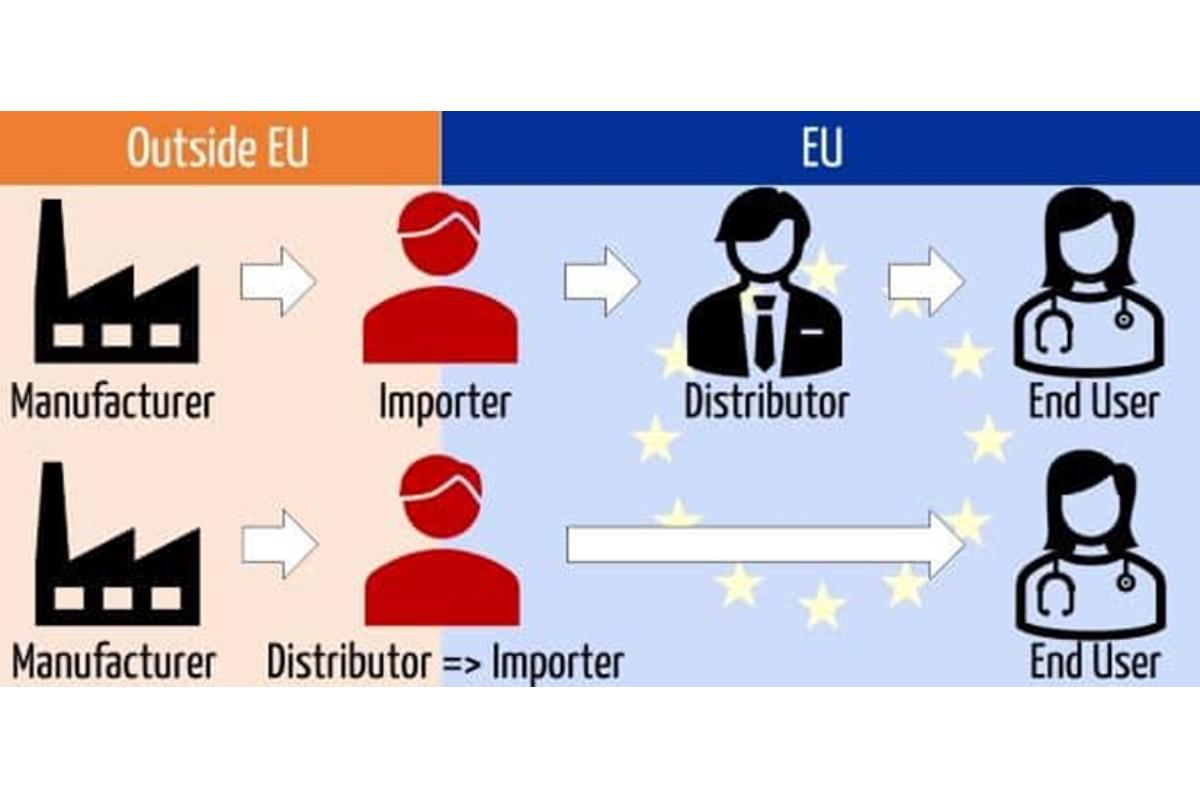
Learn how non-EU medical device manufacturers can stay MDR-compliant. This whitepaper explains what qualifies as an MDR importer, the risks of designating distributors, the legal

The new EU MDR/IVDR regulations redefine the responsibilities of manufacturers, importers, and distributors—creating new risks for non-EU companies. This whitepaper explains why appointing your distributor

Europe/MENA quickly—bringing market know-how, KOL/distributor/hospital networks, and a proven outreach engine—while keeping costs, risk, and commitments low. You’ll compare SDaaS against hiring employees, independent reps,

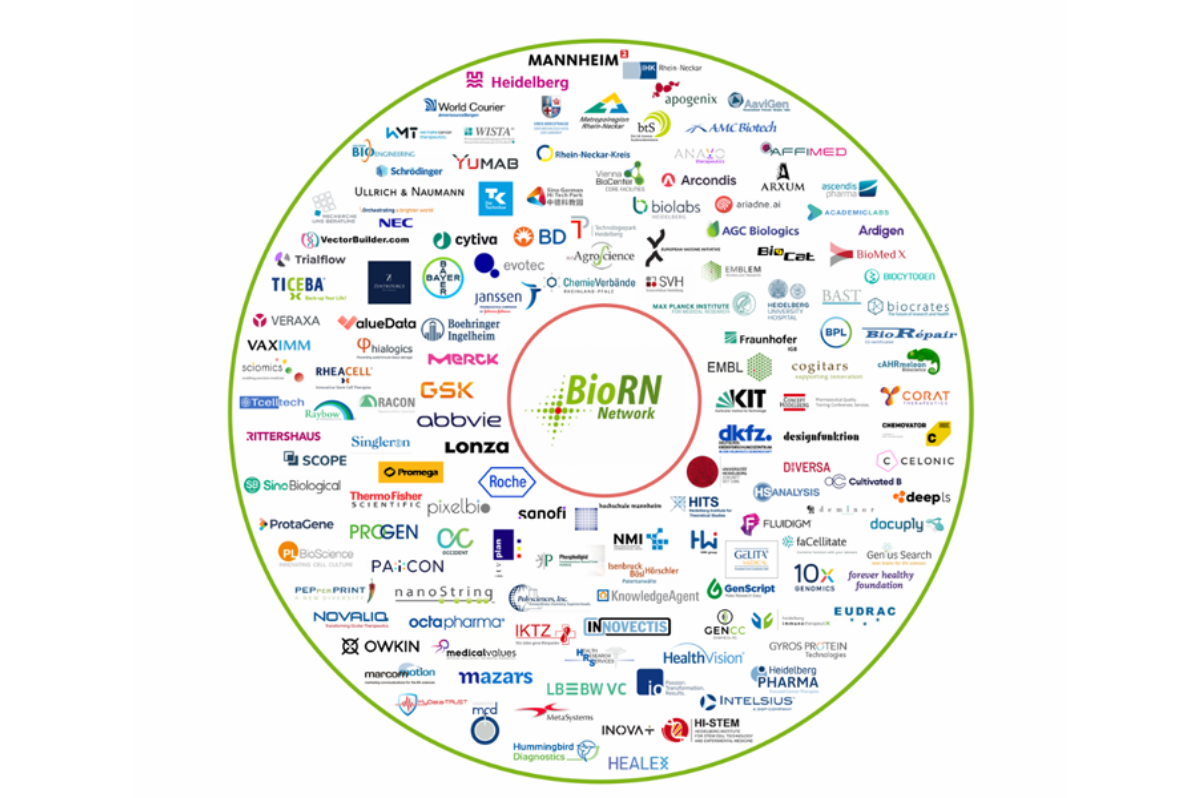
Discover where Europe’s MedTech momentum lives. This overview maps the continent’s most active clusters—BioValley, BioRN, Medicon Valley, HTGF, MedTech Twente, BioM, Catalonia’s BioRegion, BioCity, Oxford

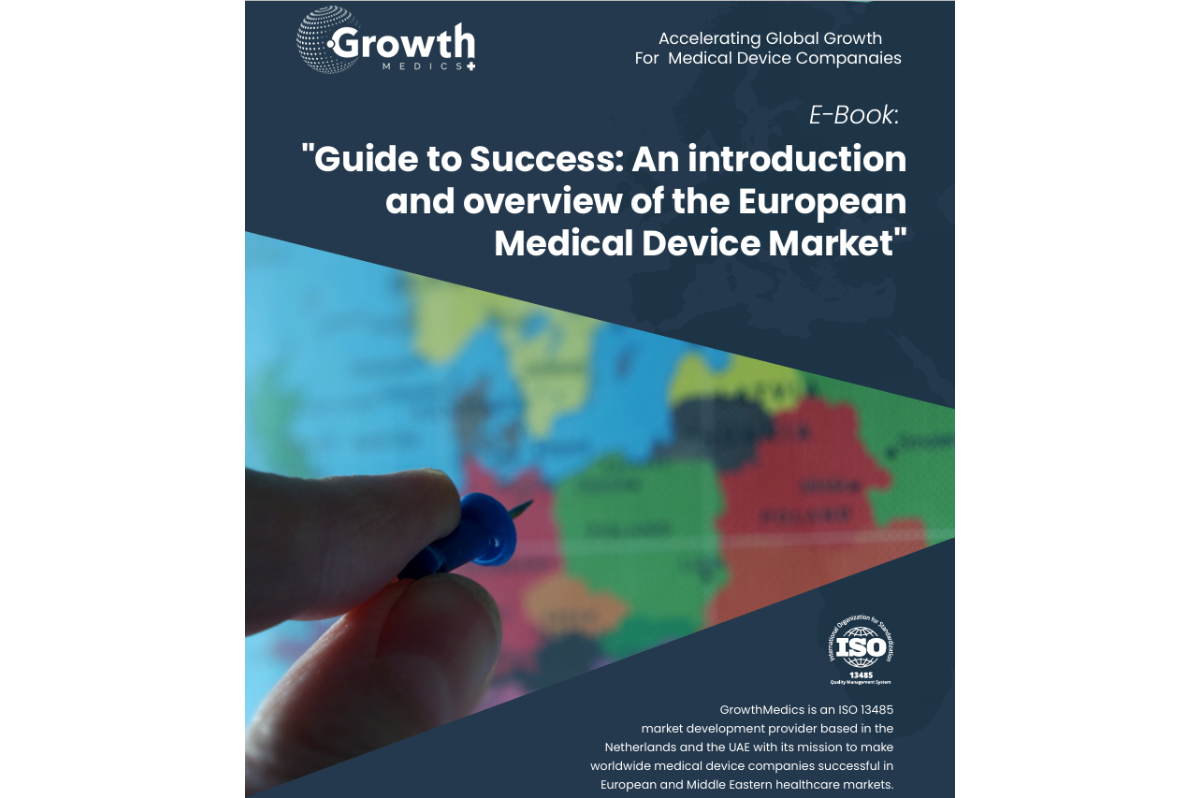
Europe is the world’s second-largest MedTech market, offering vast opportunities—but also complex challenges. This e-book is your step-by-step guide to navigating them. You’ll learn how

Looking for experienced sales boots in industry on the ground in Europe, hiring too risky, costly and time consuming Problem: A Los Angeles (USA) based

Strategic need for customer OEM expansion, flexibility and cost effectiveness are key Problem: A small sized orthopaedic contract manufacturer based out of Indiana (USA) has

Reaching maturity stage in domestic market, seeking for international revenue growth through distributors, seeking local partner with experience Problem: Manufacturer from Wisconsin (USA) is reaching

Introducing new product in a new market, need for guidance and experienced partner Problem: A manufacturer from Ohio (USA) has no presence in the EMEA

Problem: A medical device class 1 start-up based out of Canada, Toronto has a unique, patented solution and is looking to expand into the European

Insufficient exposure in European online market Problem: A US based vet manufacturer is growing its footprint through GrowthMedics help in developing and managing local distributors

pic 1

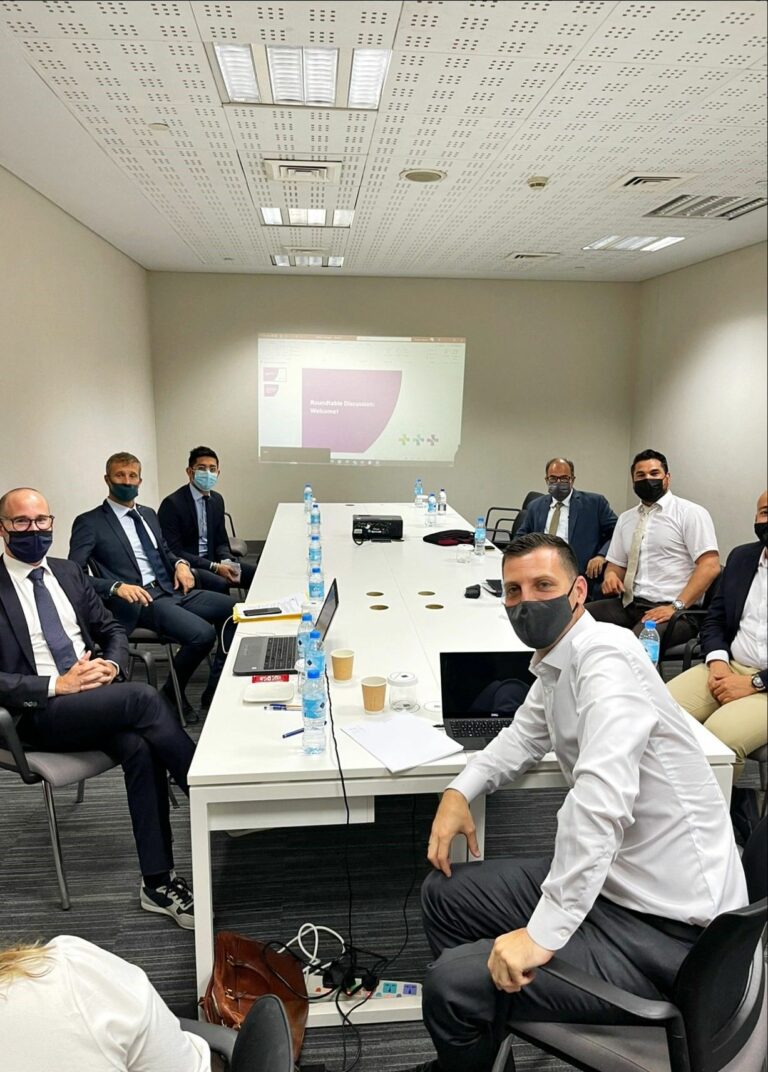
GrowthMedics at the Arab Health exhibition 2021 After 1,5 year the first international medical device tradeshow took place July 2021 in Dubai (UAE). Finally conducting

screenshot 1

GrowthMedics opens growth office in UAE Dubai, 22 July 2021 – An exciting new milestone for GrowthMedics. We are happy to announce our new growth support

pic

3 Tradeshows in 9 days – Establishing growth for our clients in Europe! The pandemic has caused almost all tradeshows to be cancelled. In the

pic 1

GrowthMedics at the Arab Health exhibition 2021 After 1,5 year the first international medical device tradeshow took place July 2021 in Dubai (UAE). Finally conducting

screenshot 1

GrowthMedics opens growth office in UAE Dubai, 22 July 2021 – An exciting new milestone for GrowthMedics. We are happy to announce our new growth support

pic

3 Tradeshows in 9 days – Establishing growth for our clients in Europe! The pandemic has caused almost all tradeshows to be cancelled. In the

Embarking on the journey to enter the European OEM market as a contract or component manufacturer in the medical industry? Careful planning and strategic considerations

hospital purchase image

Selling Medical Devices to European Hospitals The European hospital purchasing landscape offers significant opportunities for manufacturers and distributors of medical equipment. As a growing and

France challenges

Why Entering the French Medical Device Market Is More Complex Than It Looks? France remains one of the most attractive healthcare markets in Europe, both

pic 1

GrowthMedics at the Arab Health exhibition 2021 After 1,5 year the first international medical device tradeshow took place July 2021 in Dubai (UAE). Finally conducting

screenshot 1

GrowthMedics opens growth office in UAE Dubai, 22 July 2021 – An exciting new milestone for GrowthMedics. We are happy to announce our new growth support

pic

3 Tradeshows in 9 days – Establishing growth for our clients in Europe! The pandemic has caused almost all tradeshows to be cancelled. In the

Blogs & News
France challenges

Entering the French MedTech Market: Challenges, Risks, and How to Win

Why Entering the French Medical Device Market Is More Complex Than It Looks? France remains one of the most attractive healthcare markets in Europe, both in terms of size and long-term stability. As outlined in our article “How Attractive Is France for Entering and Selling Medical Devices?” the country ranks among the top global spenders on healthcare, benefits from a strong hospital infrastructure, and represents a strategic gateway to the wider European market. According to the MedTech Europe’s Facts & Figures 2025 Report , France has the most negative Medical device trade balance in the whole Europe, making it the leader importer. Yet, despite this attractiveness, many medical device manufacturers struggle to achieve traction once they attempt to enter the French market. Holding a CE-mark or having a competitive product is rarely sufficient to ensure commercial success. In this article, we explore the key challenges medical device companies face when entering France, focusing on three recurring obstacles: Slow and complex regulatory and market access processes; Distributor mismatch and ineffective partner selection; and Cultural and decision-making dynamics that influence adoption For each challenge, we also outline practical approaches to overcome them and build a sustainable, scalable market entry strategy. Slow and Complex Regulatory and Market Access Processes in France One key reason for perceived delays is the distinction between regulatory compliance and effective market access. Here we list the main points to be careful about: CE marking confirms conformity with regulatory safety and performance standards, but it does not guarantee reimbursement, hospital adoption, or prioritization by national procurement authorities. France’s national competent authority, the Agence nationale de sécurité du médicament et des produits de santé (ANSM), emphasizes robust post-market oversight and reporting, which often requires companies to invest in structured vigilance and risk management practices early. The French procurement system for public hospitals involves centralized and regional purchasing groups such as the Groupements Hospitaliers de Territoire (GHT) structure whose cadence can be slower than commercial sales cycles.   Consequently, such obstacles as lack of clinical evidence that resonates with French authorities or vigilance systems aligned with ANSM expectations are among the most frequent obstacles (Is France a Difficult Market for American Medical Devices?, Medenvoyglobal, 2025). Thus, rather than treating regulatory approval as an isolated step, we recommend companies to adopt an integrated approach that: Aligns regulatory strategy with market access, clinical evidence, and reimbursement planning (“The Challenges for Manufacturers of the Increased Clinical Evaluation in the European Medical Device Regulations: A Quantitative Study”, Breda Kearney, Olivia McDermott, 2023) Prepares documentation and post-market surveillance (PMS) systems tailored to French expectations Maps procurement timelines and stakeholder engagement early   Such integration of market access planning into the regulatory roadmap reduces significantly delays and improves adoption outcomes. Distributor Mismatch and Partner Selection Risks Unlike some healthcare markets where large national wholesalers dominate, France’s medical device distribution ecosystem is fragmented and highly specialized. France’s medical device distribution channel comprises: National players with broad portfolios Specialized distributors focused on niche segments Regional or hospital group-specific partners   This diversity means that a distributor who performs well in one segment may lack capabilities in another. Too many companies fall into the trap of signing with the “largest” distributor without verifying category fit, sales focus, or actual coverage in relevant buyer clusters, leading to misalignment on expectations and performance indicators. To be more precise, distributor mismatch typically stems from: Overreliance on reputation instead of performance data (a big name does not guarantee effort in your category) Lack of clear KPIs and accountability (distributors may deprioritize a vendor’s products when not incentivized) Portfolio saturation (distributors carrying too many brands lack focus and technical expertise for each)   To reduce the risk of poor distributor performance, companies should focus on three essentials: Define clear partner selection criteria Proven experience in the relevant device category Demonstrated access to target hospital groups and buyers Sufficient technical and field capabilities Establish performance governance Clear commercial KPIs Defined training and certification requirements Performance-linked incentives Enable distributors effectively Structured product and clinical training Clear value propositions supported by evidence Joint planning and activity alignment   GrowthMedics supports this process by helping companies identify, assess, and structure distributor partnerships that are both strategically aligned and operationally effective. Navigating French Business Culture and Decision-Making Dynamics Awareness of formal communication styles and of hierarchy is the key, however, the real challenge usually lies not in etiquette, but in how decisions are structured, validated, and justified inside the French healthcare ecosystem. In France, commercial success in the medical device sector depends heavily on credibility, institutional logic, and intellectual rigor. Stakeholders expect well-structured arguments supported by evidence, references, and long-term rationale as decisions are analytical and often collective.   A key challenge for foreign companies is adapting to the French decision-making rhythm, which tends to involve: Multiple internal validation layers Formalized internal reviews Strong influence of medical opinion leaders Alignment with institutional and public-health priorities   This process can appear slow or overly complex, but it reflects a system designed to minimize risk and ensure accountability, especially in publicly funded healthcare environments. Another common obstacle, worth mentioning apart, is underestimating the importance of local credibility. Even innovative or well-established international brands may face skepticism if they lack: Local references French-language materials A visible presence or representative Familiarity with national healthcare priorities   Trust in France is built progressively through consistency, reliability, and intellectual legitimacy rather than through persuasive sales tactics. French stakeholders often expect partners to demonstrate a long-term commitment to the market, including investment in understanding institutional frameworks and professional norms. To navigate these dynamics effectively, companies should focus on a few high-impact actions: Localize strategic messaging, ensuring arguments are structured, evidence-based, and aligned with French healthcare priorities Build credibility through presence, representation, or trusted local partners Prepare high-quality documentation adapted to French audiences and decision-making processes Adopt a long-term engagement mindset, allowing time for trust and validation to develop   At GrowthMedics, we help companies translate their global value proposition into messaging and engagement strategies that resonate with French

Read More »
patient marketing

5 Proven Digital Strategies to Reach and Convert Patients Online in Europe

In today’s healthcare landscape, patients are no longer passive recipients of information — they’re informed, digitally savvy decision-makers who research symptoms, compare providers, read reviews, and expect seamless online interactions. For healthcare brands, clinics, and medical device companies, the challenge is not only being discoverable online but earning patient trust and converting digital interest into real appointments or inquiries. The best healthcare brands today win by empowering patients with clarity, credibility, and convenience. At GrowthMedics, after helping dozens of healthcare companies expand across Europe and the Middle East, we’ve identified five proven digital strategies that consistently increase patient engagement, trust, and conversions. Let’s break them down: Optimize for Search: Your Foundation for Patient Visibility When patients need healthcare support, their first stop is Google. From searching symptoms to evaluating treatment options, the journey begins long before they contact a provider. This is why strong medical SEO services are essential. A robust SEO strategy ensures patients find you at the exact moment they’re searching for care or researching a medical device. This includes: Condition-specific keyword research Understand what patients search for based on symptoms, diagnoses, procedures, or devices. Helpful, medically accurate content Patients want clarity, not complexity. Content that answers their questions builds trust and positions your brand as an authority. Technical SEO for fast, accessible websites Site speed, mobile responsiveness, and structured data greatly influence search rankings and user experience. Local SEO for clinics and specialists Optimizing Google Business Profiles helps attract nearby patients ready to book. For medical device companies, SEO is equally crucial. As part of marketing medical devices, ranking for product categories, comparisons, and clinical applications drives high-intent traffic from both patients and HCPs. Bottom line: Patients can’t choose you if they can’t find you. SEO is your 24/7 patient-acquisition engine. Leverage PPC in Healthcare for Immediate, High-Quality Traffic While SEO builds long-term visibility, PPC in healthcare delivers instant reach. Google Ads, LinkedIn Ads, and Meta Ads can precisely target patient demographics, symptoms, and behaviors — all while maintaining compliance with healthcare advertising rules. Why PPC works so well in healthcare: Precise targeting: Reach people actively searching for treatments, specialists, or devices. Instant results: Launching campaigns drives traffic and leads within days. High conversion intent: Healthcare searchers are often ready to take action. Scalable: Increase or decrease budget based on performance and patient capacity. Healthcare digital marketers use PPC to promote virtual consultations, new patient appointments, medical devices, specialty clinics, and more. Combined with optimized landing pages and patient-friendly messaging, PPC becomes a powerful tool for capturing high-intent leads. Build Trust Through Patient-Focused Content Modern patients expect education before engagement. They want clarity, reassurance, and confidence before choosing a provider or device. Content marketing allows you to inform, empower, and convert — all at once. This is the heart of empowering patient communication. Effective content types include: Educational blogs and guides Treatment/explanation videos Patient success stories (HIPAA-compliant) Infographics and explainer visuals Q&A content written in simple language Email nurturing sequences Healthcare digital marketers increasingly adopt “patients-first” content frameworks that prioritize empathy and clarity. This is especially impactful for marketing medical devices, where content must be educational, compliant, and accessible to both clinical audiences and everyday consumers. The more value you provide upfront, the faster trust — and conversions — follow. Strengthen Credibility with Reviews, Social Proof & Reputation Management Patients rely heavily on trust signals before making healthcare decisions. A single negative review or outdated listing can impact credibility. Conversely, strong reviews and clear messaging can dramatically increase conversions. Key reputation strategies: Collect patient reviews consistently Monitor and respond professionally to feedback Optimize listings on Google, Healthgrades, and specialty platforms Showcase testimonials and case studies Strengthen social media presence with educational content Patients want transparency. Healthcare digital marketers who prioritize reputation management see significantly higher engagement and appointment conversions. Convert More Patients with Seamless Digital Experiences Patients expect online convenience. Any friction — slow sites, confusing navigation, or hard-to-find contact forms — leads to drop-offs. A seamless patient journey includes: Clear CTAs “Book Consultation,” “Check Eligibility,” or “Request Info” should be visible and compelling. Mobile-first experience Most healthcare searches happen on mobile. A smooth interface improves both SEO and conversions.  Fast, intuitive landing pages Especially for PPC in healthcare, landing pages must match search intent and reduce friction. Automated follow-up systems Email sequences and CRM workflows help capture leads that aren’t ready immediately. Empowering patient experiences through design, messaging, and convenience builds long-term loyalty and improves appointment rates. Conclusion: Digital Success Starts with a Patient-First Mindset  Reaching and converting patients online isn’t just about marketing — it’s about trust, education, and accessibility. The most successful healthcare brands combine: Strong SEO visibility Targeted PPC outreach Patient-empowering content Reputation excellence Seamless digital experiences At GrowthMedics, we help healthcare organizations and medical device companies implement proven, compliant digital strategies that increase patient inquiries and accelerate global growth. If you’re ready to scale patient acquisition in 2026 and beyond, our team can guide you with a tailored roadmap.

Read More »

Anesthesia in Europe: Trends, Compliance & Market Access

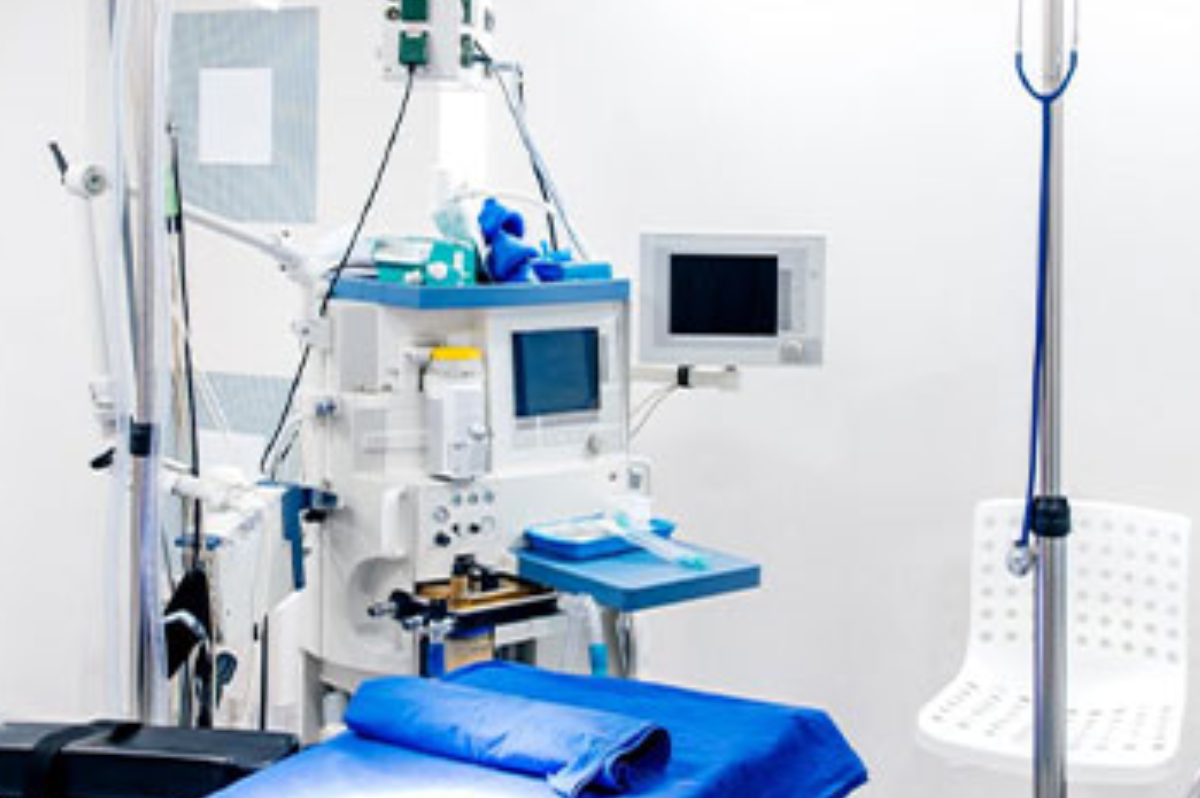
European Anesthesia Market Overview  The European medical technology market as a whole is enormous – about €170 billion in 2024, making Europe the world’s second-largest medtech market after the US. Within this, anesthesia-related products form a vital segment, as every surgical procedure requires some form of anesthesia. The demand for anesthesia machines, monitoring equipment, anesthetic drugs, and single-use consumables is growing steadily across Europe, driven by an aging population and high surgical volumes. In fact, the European anesthesia equipment market is expected to grow at roughly 9% annually through 2030. Likewise, the market for anesthesia drugs in Europe is rising – from an estimated €4.2 billion in 2024 to €6.3 billion by 2031 (about 5% CAGR). This growth outlook underscores that Europe’s need for anesthesia products is increasing year by year.  With GrowthMedics, we recently partnered with an anesthesia manufacturer to successfully enter the European market, guiding them through MDR and CE certification, appointing the right local representatives, and building a strong distributor network that allowed them to secure hospital contracts and establish a solid presence across multiple key European countries.  Key Demand Drivers & Trends  1) More surgeries & outpatient shift  Surgical volumes are growing, with a sustained move toward day-case procedures. Ambulatory settings need compact, easy-to-deploy anesthesia machines and monitoring setups that turn rooms faster and support minimally invasive workflows.  2) Aging population & chronic disease  More cardiovascular, oncologic, and orthopedic interventions drive anesthesia use. Older, multi-morbid patients increase the need for advanced monitoring (depth of anesthesia, neuromuscular, hemodynamics) to reduce complications and length of stay.  3) Smart & integrated monitoring  Hospitals are standardizing on connected anesthesia workstations and analytics-enabled monitors that feed OR/EMR systems in real time. Decision-support features (e.g., anesthetic depth guidance) help optimize dosing, reduce drug use, and improve recoveries.  4) Portability & remote readiness  Compact, battery-backed anesthesia equipment and wireless monitors extend safe anesthesia care beyond main ORs – to day-surgery suites, smaller clinics, and transport scenarios – supporting decentralized care models.  5) Outcomes, cost, and sustainability  Procurement favors solutions that demonstrably cut complications, shorten PACU time, and trim gas consumption (and emissions). User-friendly interfaces matter amid staffing constraints; automation that simplifies set-up and monitoring gains traction.  Market Entry & Compliance  The path to entering the European anesthesia market requires non-EU manufacturers to first achieve MDR compliance and CE certification, processes that are complex, time-consuming, and demand significant investment in clinical evidence and quality systems. Companies must also appoint an Authorized Representative and an Importer within the EU, keeping these roles separate from distributors to ensure proper compliance management. Beyond regulation, success relies on local adaptation: translated labels and instructions, tailored pricing strategies, and a solid understanding of country-specific procurement systems. Equally important is providing comprehensive support, from clinical training to maintenance contracts, in order to build trust and compete effectively with established players.  Figure 2 – Spinal anesthesia   Attractive European Markets for Anesthesia Products   Germany – Europe’s largest hospital base and technology adopter; high surgical throughput and strong budgets. Competitive but highly influential once referenced.  France – Large public system, strong safety culture, and solid growth in anesthesia equipment; be prepared for tenders and full French localization.  United Kingdom – Outside the EU but a top European buyer with innovation-friendly NHS/private mix; plan for UKCA alongside CE during the transition.  Italy & Spain – Big, upgrading markets with growing private segments; regional nuances and local-language sales/after-sales coverage are vital.  Poland & CEE – Fastest growth, high import reliance, and active modernization programs; attractive for value-engineered, quality solutions and agile distributors.  Key Upcoming Anesthesia Tradeshows and Congresses  At GrowthMedics, we support manufacturers in gaining visibility at key tradeshows and congresses. Upcoming European anesthesia conferences include Euroanaesthesia 2026 in Rotterdam, The Netherlands (June 6-8), the Association of Anaesthetists’ Annual Congress 2026 in Liverpool (September 16-18), and the 16th ESPA Congress in September 2026. Other notable events are the SSAI Congress in Reykjavik, Iceland (June 10-12, 2026) and the ESRA Annual Congress in Lisbon, Portugal (September 2026).   How GrowthMedics Can Help  At GrowthMedics, we specialize in helping non-EU anaesthesia manufacturers enter the European market efficiently. We assist with everything from regulatory navigation to distributor selection and sales development strategies. By combining our local expertise with hands-on support, we help manufacturers reduce risks and accelerate their market success.

Read More »

Whitepaper

Learn how non-EU medical device manufacturers can stay MDR-compliant. This whitepaper explains what qualifies as an MDR importer, the risks of designating distributors, the legal

The new EU MDR/IVDR regulations redefine the responsibilities of manufacturers, importers, and distributors—creating new risks for non-EU companies. This whitepaper explains why appointing your distributor

Europe/MENA quickly—bringing market know-how, KOL/distributor/hospital networks, and a proven outreach engine—while keeping costs, risk, and commitments low. You’ll compare SDaaS against hiring employees, independent reps,

Sucess Stories

Looking for experienced sales boots in industry on the ground in Europe, hiring too risky, costly and time consuming Problem: A Los Angeles (USA) based

Strategic need for customer OEM expansion, flexibility and cost effectiveness are key Problem: A small sized orthopaedic contract manufacturer based out of Indiana (USA) has

Reaching maturity stage in domestic market, seeking for international revenue growth through distributors, seeking local partner with experience Problem: Manufacturer from Wisconsin (USA) is reaching

Case Studies GrowthMedics

Download and profit of the insights of the European market

Accelerating global growth

A complete guide for selling medical and IVD devices successful in Europe