Why Entering the French Medical Device Market Is More Complex Than It Looks?
France remains one of the most attractive healthcare markets in Europe, both in terms of size and long-term stability. As outlined in our article
“How Attractive Is France for Entering and Selling Medical Devices?” the country ranks among the top global spenders on healthcare, benefits from a strong hospital infrastructure, and represents a strategic gateway to the wider European market. According to the
MedTech Europe’s Facts & Figures 2025 Report , France has the most negative Medical device trade balance in the whole Europe, making it the leader importer.
Yet, despite this attractiveness, many medical device manufacturers struggle to achieve traction once they attempt to enter the French market. Holding a CE-mark or having a competitive product is rarely sufficient to ensure commercial success.
In this article, we explore the key challenges medical device companies face when entering France, focusing on three recurring obstacles:
- Slow and complex regulatory and market access processes;
- Distributor mismatch and ineffective partner selection; and
- Cultural and decision-making dynamics that influence adoption
For each challenge, we also outline
practical approaches to overcome them and build a
sustainable, scalable market entry strategy.
Slow and Complex Regulatory and Market Access Processes in France
One key reason for perceived delays is the distinction between
regulatory compliance and
effective market access. Here we list the main points to be careful about:
- CE marking confirms conformity with regulatory safety and performance standards, but it does not guarantee reimbursement, hospital adoption, or prioritization by national procurement authorities.
- France’s national competent authority, the Agence nationale de sécurité du médicament et des produits de santé (ANSM), emphasizes robust post-market oversight and reporting, which often requires companies to invest in structured vigilance and risk management practices early.
- The French procurement system for public hospitals involves centralized and regional purchasing groups such as the Groupements Hospitaliers de Territoire (GHT) structure whose cadence can be slower than commercial sales cycles.
Consequently,
such obstacles as lack of clinical evidence that resonates with French authorities or vigilance systems aligned with ANSM expectations are among the most frequent
obstacles (Is France a Difficult Market for American Medical Devices?, Medenvoyglobal, 2025).
Thus, rather than treating regulatory approval as an isolated step, we recommend companies to adopt an integrated approach that:
Such integration of market access planning into the regulatory roadmap reduces significantly delays and improves adoption outcomes.
Distributor Mismatch and Partner Selection Risks

Unlike some healthcare markets where large national wholesalers dominate, France’s medical device distribution ecosystem is
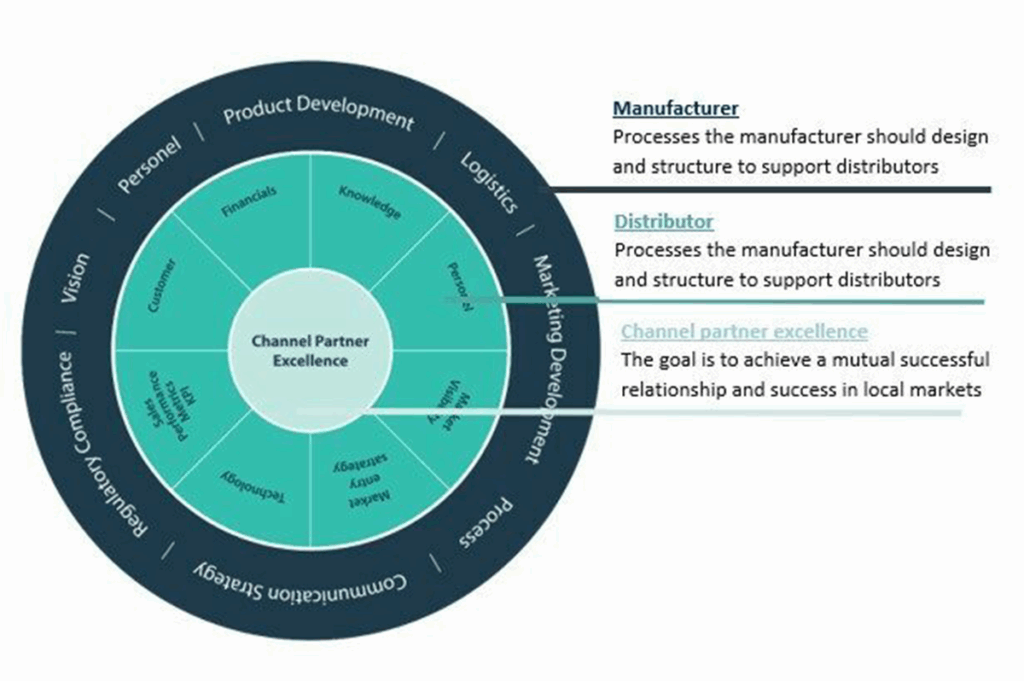
fragmented and highly specialized. France’s medical device distribution channel comprises:
- National players with broad portfolios
- Specialized distributors focused on niche segments
- Regional or hospital group-specific partners
This diversity means that a distributor who performs well in one segment may lack capabilities in another. Too many companies fall into the trap of signing with the “largest” distributor without verifying
category fit, sales focus, or actual coverage in relevant buyer clusters, leading to misalignment on expectations and performance indicators. To be more precise, distributor mismatch typically stems from:
- Overreliance on reputation instead of performance data (a big name does not guarantee effort in your category)
- Lack of clear KPIs and accountability (distributors may deprioritize a vendor’s products when not incentivized)
- Portfolio saturation (distributors carrying too many brands lack focus and technical expertise for each)
To reduce the risk of poor distributor performance, companies should focus on three essentials:
-
Define clear partner selection criteria
- Proven experience in the relevant device category
- Demonstrated access to target hospital groups and buyers
- Sufficient technical and field capabilities
-
Establish performance governance
- Clear commercial KPIs
- Defined training and certification requirements
- Performance-linked incentives
-
Enable distributors effectively
- Structured product and clinical training
- Clear value propositions supported by evidence
- Joint planning and activity alignment
GrowthMedics supports this process by helping companies identify, assess, and structure distributor partnerships that are both strategically aligned and operationally effective.
Navigating French Business Culture and Decision-Making Dynamics

Awareness of formal communication styles and of hierarchy is the key, however, the real challenge usually lies not in etiquette, but in
how decisions are structured, validated, and justified inside the French healthcare ecosystem.
In France, commercial success in the medical device sector depends heavily on
credibility, institutional logic, and intellectual rigor. Stakeholders expect well-structured arguments supported by evidence, references, and long-term rationale as decisions are analytical and often collective.
A key challenge for foreign companies is adapting to the
French decision-making rhythm, which tends to involve:
- Multiple internal validation layers
- Formalized internal reviews
- Strong influence of medical opinion leaders
- Alignment with institutional and public-health priorities
This process can appear slow or overly complex, but it reflects a system designed to minimize risk and ensure accountability, especially in publicly funded healthcare environments.
Another common obstacle, worth mentioning apart, is underestimating the importance of
local credibility. Even innovative or well-established international brands may face skepticism if they lack:
- Local references
- French-language materials
- A visible presence or representative
- Familiarity with national healthcare priorities
Trust in France is built progressively through consistency, reliability, and intellectual legitimacy rather than through persuasive sales tactics. French stakeholders often expect partners to demonstrate a long-term commitment to the market, including investment in understanding institutional frameworks and professional norms. To navigate these dynamics effectively, companies should focus on a few high-impact actions:
- Localize strategic messaging, ensuring arguments are structured, evidence-based, and aligned with French healthcare priorities
- Build credibility through presence, representation, or trusted local partners
- Prepare high-quality documentation adapted to French audiences and decision-making processes
- Adopt a long-term engagement mindset, allowing time for trust and validation to develop
At
GrowthMedics, we help companies translate their global value proposition into messaging and engagement strategies that resonate with French decision-makers. This includes adapting narratives, structuring stakeholder approaches, and supporting long-term relationship building in a market where credibility is earned over time.
Conclusion: Turning France’s Complexity into a Strategic Advantage
As outlined in this article, the most common challenges (regulatory and market access hurdles, distributor misalignment, and nuanced decision-making processes) are not obstacles in themselves, but realities that must be anticipated and managed. Companies that underestimate these factors often face delays or underperformance, while those that plan proactively are better positioned to scale.
At GrowthMedics, we support medical device and IVD companies in transforming market complexity into a structured growth strategy. From market entry planning and partner selection to go-to-market execution, we help companies build a strong and sustainable presence in France and across Europe.